
Shark Conservation in Costa Rica with Randall Arauz & CREMA
Costa Rica is globally recognized as one of the world’s leading destinations for marine biodiversity and ocean conservation.
Its Pacific waters are home to reef sharks, bull sharks, rays, sea turtles, and large pelagic species that play a critical role in maintaining healthy marine ecosystems. Protecting these species requires scientific research, conservation education, and direct community involvement.

At Rich Coast Diving, our 10-Day Shark Conservation Expedition combines citizen science diving, marine ecology education, and community-based conservation into one immersive experience.
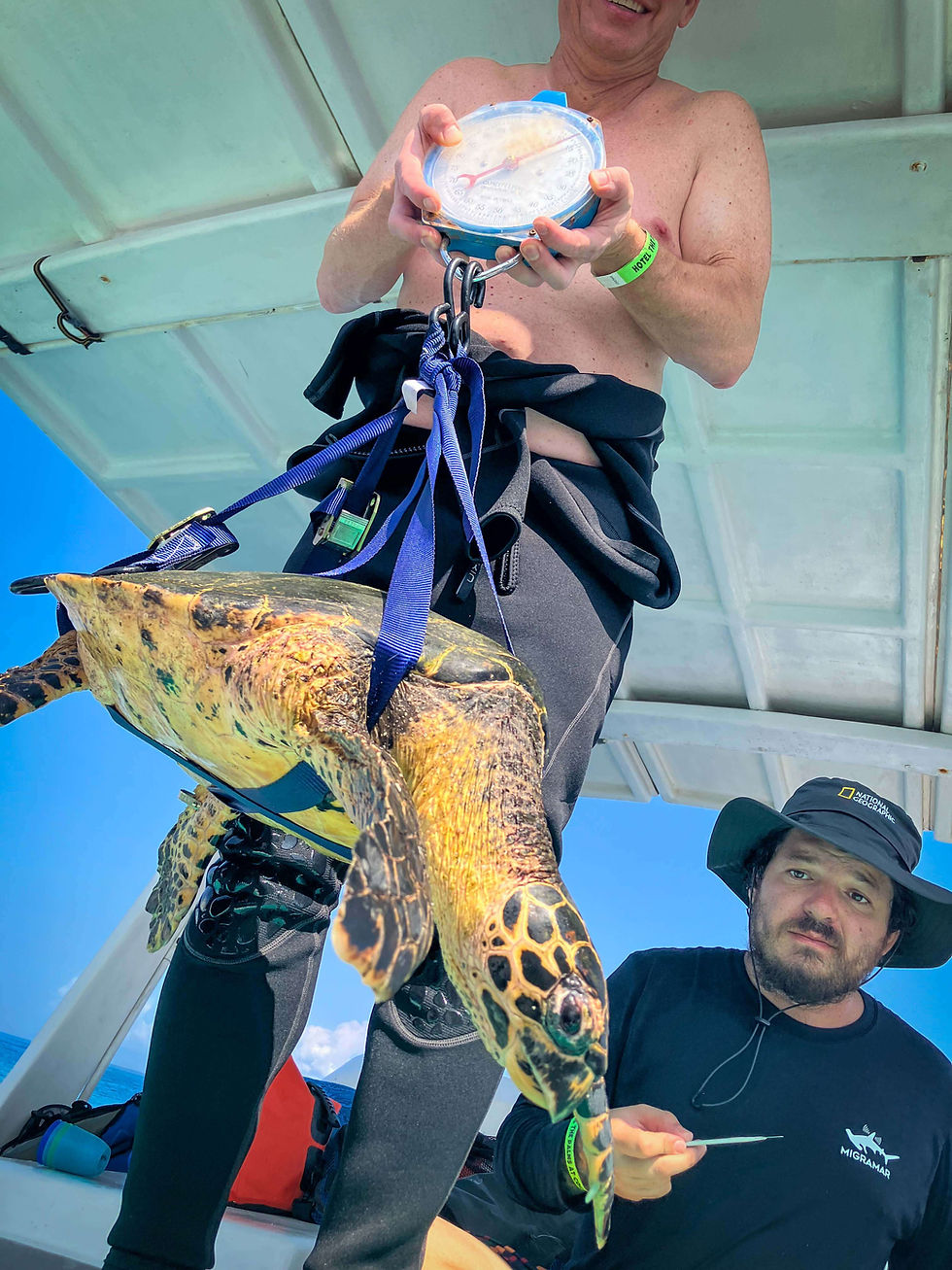
Working alongside Costa Rican conservation leaders Randall Arauz and Daniel Arauz, participants contribute directly to shark and sea turtle monitoring projects while learning how marine conservation and local communities work together to protect vulnerable species.
This is more than a dive trip, it is a meaningful conservation expedition with real impact.

Why Shark Conservation Matters
Sharks are essential to healthy marine ecosystems. As apex predators, sharks help regulate marine food chains and maintain ecological balance throughout reef and pelagic environments.
Unfortunately, many shark populations around the world have declined dramatically due to:
Overfishing
Illegal shark finning
Habitat degradation
Bycatch
Climate change
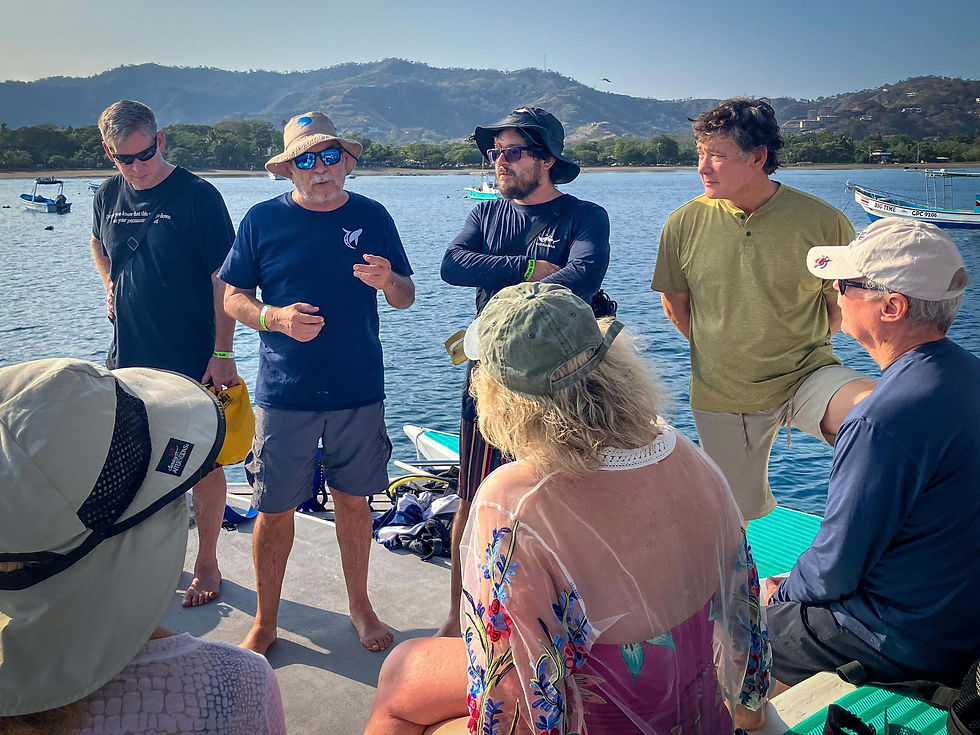
Costa Rica has become an important country in the global fight for shark conservation, thanks to decades of advocacy, marine protection initiatives, and conservation research.
Protecting sharks requires not only policy changes, but also long-term monitoring, scientific data collection, and public education.
That is where citizen science expeditions can make a meaningful difference.
A Unique Shark Conservation Expedition in Costa Rica
Our 10-Day Marine Conservation Expedition combines structured marine monitoring dives with hands-on volunteer conservation work on Costa Rica’s Pacific coast.

The expedition is divided into two parts:
Marine Conservation Diving & Research
During the first five days, participants join research dives and citizen science fieldwork alongside marine biologists and conservation professionals.
Activities include:
Shark monitoring dives
Sea turtle monitoring
Species identification
Photo-ID projects
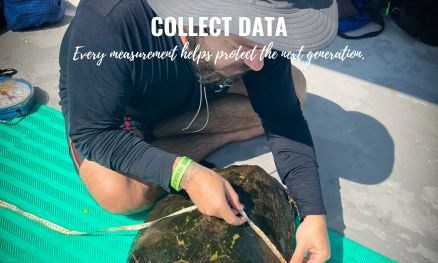
Data collection and field surveys
Ecology education and conservation seminars
Participants complete both:
SSI Shark Ecology Specialty
SSI Sea Turtle Ecology Specialty
Community-Based Conservation in Costa de Oro
The second half of the expedition takes participants to Costa de Oro on the Nicoya Peninsula, where they volunteer alongside the conservation organization Turtle Trax.
This unique experience combines marine conservation with community engagement and includes:
Night beach patrols
Sea turtle nesting monitoring
Hatchery protection work
Hatchling monitoring
Beach cleanups
Environmental education initiatives
Community sustainability projects
This combination of marine research and local conservation action makes the expedition truly unique in Costa Rica.

Dive With Marine Biologists & Conservation Leaders
A major highlight of the expedition is the opportunity to work alongside Randall Arauz and Daniel Arauz. Their work in marine conservation has helped inspire ocean protection initiatives throughout Costa Rica and beyond.

Throughout the expedition, participants learn directly from experienced conservation professionals about:
Shark ecology
Marine ecosystem protection
Conservation policy challenges
Sea turtle conservation
Ethical research methods
Citizen science techniques
The expedition concludes with a conservation seminar reviewing the field observations and discussing the broader impact of marine conservation efforts in Costa Rica.
Citizen Science in Action
During field dives, participants assist with structured monitoring and conservation-focused data collection.
This may include:
Species observation and identification
Shark and turtle spotting
Photo-ID documentation
Population monitoring
Behavioral observations
Supporting onboard data collection activities

Participants actively contribute to conservation initiatives supported by CREMA, helping strengthen long-term research and protection efforts for vulnerable marine species.
Only trained marine biologists directly handle marine animals, ensuring all work follows ethical and non-invasive scientific standards.
Explore Costa Rica’s Incredible Marine Biodiversity
The waters surrounding Playas del Coco and the Gulf of Papagayo offer some of the richest marine biodiversity in Central America.

During the expedition, divers may encounter:
White tip reef sharks
Bull sharks (seasonal)
Eagle rays
Mobulas
Sea turtles
Moray eels
Octopus
Large schools of tropical fish
Macro marine life
Seasonally, divers may also have the opportunity to visit:
Bat Islands during bull shark season
Catalinas Islands during giant manta ray season
These dynamic dive environments provide ideal conditions for marine monitoring and conservation-focused diving.
Bull Shark Diving at Bat Islands
From June through October, weather conditions may allow expeditions to visit the famous Bat Islands, one of Costa Rica’s most exciting advanced dive destinations.
These dives offer the possibility of observing bull sharks in their natural habitat while learning about shark behavior, ecology, and conservation.

Bat Islands dives are highly weather-dependent and require:
Advanced Open Water certification
Previous local diving experience
When conditions allow, this optional upgrade adds an unforgettable shark diving experience to the expedition.

Conservation Beyond the Ocean
What makes this expedition especially powerful is its connection between marine science and local communities. In Costa de Oro, participants see firsthand how conservation projects support both wildlife protection and sustainable livelihoods.
The Turtle Trax project protects a 4.5-kilometer nesting beach visited annually by hundreds of Olive Ridley sea turtles, as well as occasional Green, Leatherback, and Hawksbill turtles.
Participants contribute directly to:
Nest monitoring
Hatchery management
Data collection
Conservation awareness initiatives
Community-supported environmental projects
This creates a deeper understanding of how conservation succeeds through collaboration between scientists, local communities, and responsible travelers.
Who Is This Expedition For?
This expedition is ideal for:
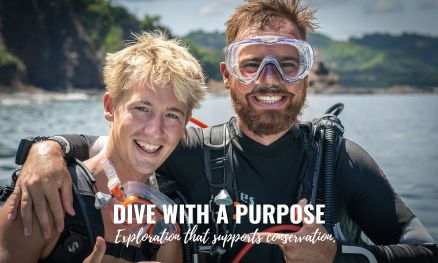
Certified divers interested in marine conservation
Shark enthusiasts
Marine biology students
Eco-tourism travelers
Gap year travelers
Future Divemasters and Instructors
Citizen science enthusiasts
No previous scientific experience is required. Participants should simply be passionate about marine conservation and comfortable diving in open ocean conditions.
Why Choose Rich Coast Diving?
At Rich Coast Diving, conservation is integrated into everything we do.
Our marine conservation expeditions combine:
Small personalized groups
Ethical research practices
Professional SSI training standards
Conservation partnerships
Multilingual instructors and guides
Real-world citizen science experiences
Located in Playas del Coco, Costa Rica, we help divers go beyond recreation and actively contribute to protecting the ocean.

Ready to Join a Shark Conservation Expedition in Costa Rica?
If you want to combine scuba diving, marine science, conservation fieldwork, and meaningful travel, our Shark Conservation Expedition offers an unforgettable opportunity to make a real impact.
You can also explore:
Or contact Rich Coast Diving to learn more about upcoming conservation expeditions and departure dates in Costa Rica.



.png)
Comments