
Three Days of Sea Turtle Conservation in the Gulf of Papagayo
Three days. Six dives. Hours of snorkeling. Several sea turtles. And a whole lot of serious conservation work and a lot of fun !
At Rich Coast Diving, we love showing people the incredible marine life of Costa Rica. But some of our most rewarding days on the water are the ones where diving becomes something more than exploration.
This week, we had the pleasure of spending three days in the Gulf of Papagayo with students from Texas A&M University, together with our conservation partners Turtle Trax and CREMA. What followed was three days of diving, snorkeling, learning and hands-on marine conservation.
It was an experience that reminded us why collaboration between dive operators, scientists, universities and conservation organizations is so important.

Three Days, One Goal: Learning Through Conservation
The students came to Costa Rica with a strong interest in marine science and conservation. Rather than simply observing the marine environment from the surface, they had the opportunity to get into the water and experience it firsthand.
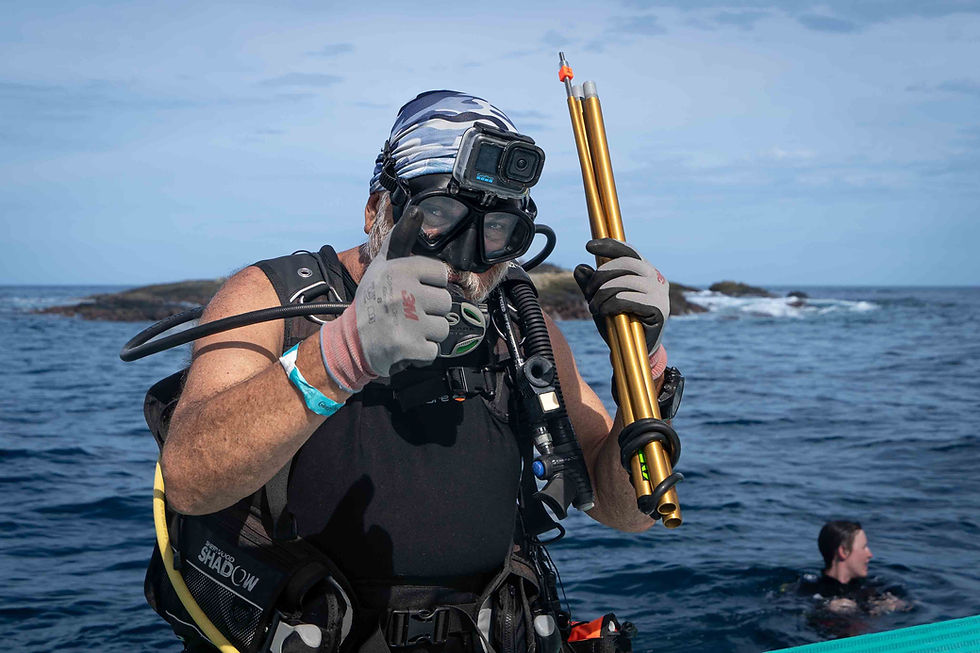
Over three days, we completed six dives and numerous snorkeling sessions, exploring the marine environment of the Gulf of Papagayo while keeping our eyes open for sea turtles and other marine life.

The diving was only part of the experience. Working alongside the conservation team, the students were able to participate directly in sea turtle monitoring and data collection. When turtles could be safely captured for research, the team carefully worked through the identification and documentation process before returning each animal to the ocean.
It was science in the field, with salt water, boats, masks, fins and plenty of patience.

Getting Hands-On With Sea Turtle Research
Seeing a sea turtle underwater is always special. But there is a big difference between encountering a turtle while recreational diving and being involved in a scientific monitoring project.
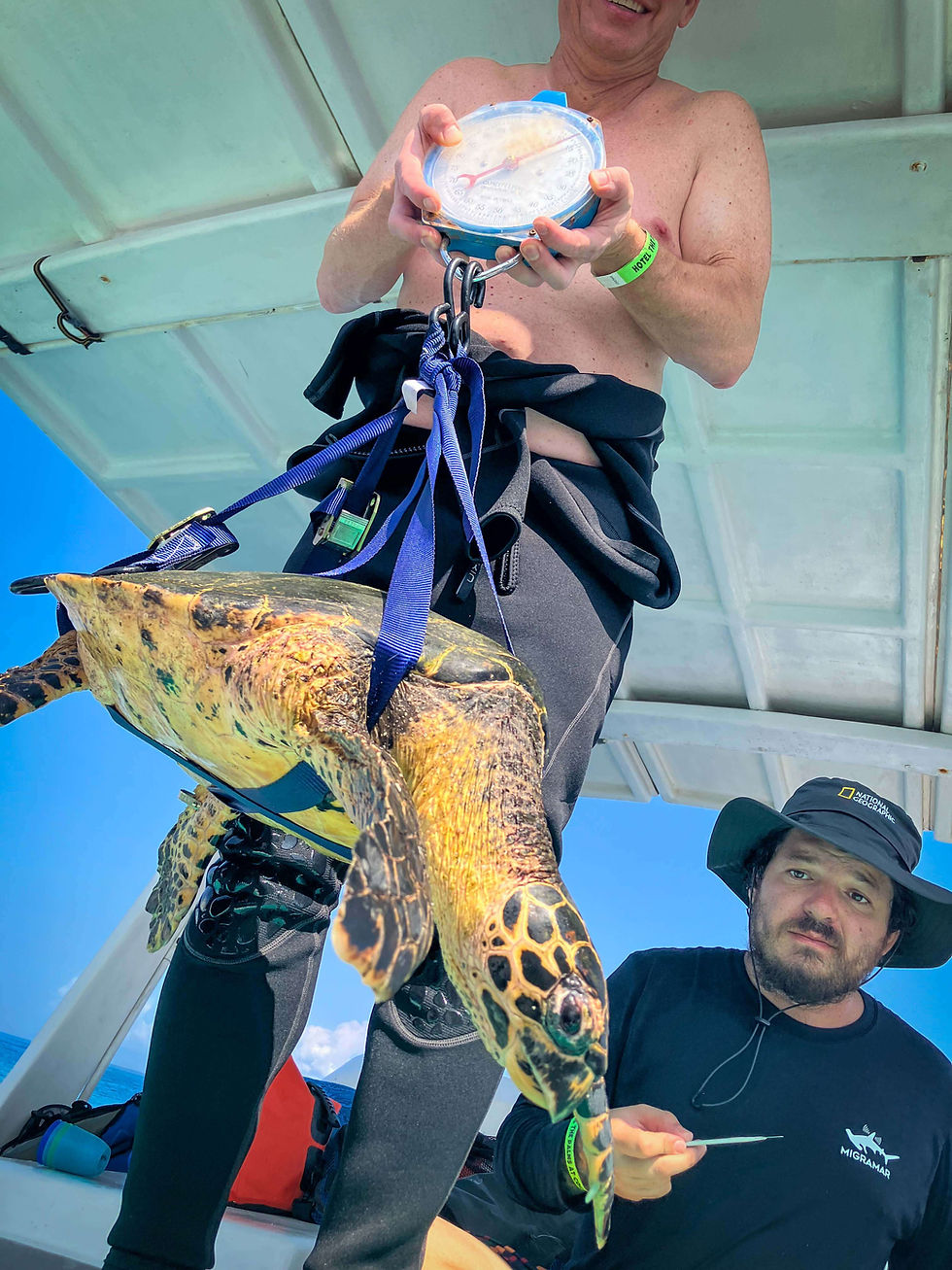
During our three days together, several turtles were safely captured so that important information could be collected. Each turtle was identified, tagged, weighted, measured, tissue samples were taken and everything was documented before being carefully released back into the ocean.
Marine conservation work in costa rica with CREMA, Turtle trax and Texas A&M University Marine conservation work in costa rica with CREMA, Turtle trax and Texas A&M University Marine conservation work in costa rica with CREMA, Turtle trax and Texas A&M University
For the students, this was an opportunity to see what marine conservation actually looks like outside a classroom or laboratory. Instead of simply learning about research methods, they were able to participate in the process themselves and understand how field data is collected under real conditions.

Every turtle encounter can contribute another piece to a much larger picture. By collecting standardized information over time, researchers can learn more about individual animals, populations, movements and the health of marine ecosystems.
A measurement, a photograph, a tag or a few carefully recorded observations may seem like small pieces of information on their own, but together they can become valuable scientific data.

Conservation Doesn't Always Happen on the Beach
When people think about sea turtle conservation in Costa Rica, they often picture volunteers walking a beach at night, protecting nests or watching turtles come ashore to lay their eggs. That work is incredibly important, but it represents only one part of the conservation story.

Organizations such as Turtle Trax and CREMA have been involved in community-based sea turtle conservation in the southern Nicoya Peninsula for many years. Turtle Trax works alongside CREMA and local communities on projects that include sea turtle conservation, environmental education, beach cleanups and other sustainable ecotourism initiatives.
But sea turtles spend most of their lives in the ocean, which means conservation cannot stop at the beach.
Monitoring turtles in their marine environment helps researchers understand what happens after the animals leave the nesting beaches. It creates another important piece of the puzzle between nesting activity on shore and the lives of turtles at sea.

For divers, this is also an important reminder that the ocean we explore is part of a much larger ecosystem, and what happens underwater matters just as much as what happens along the coastline.
Working Together Makes the Difference
One of the things we enjoyed most about these three days was the collaboration between different groups with a shared goal.
Texas A&M University brings academic knowledge and marine science expertise. CREMA provides extensive experience in sea turtle research and conservation. Turtle Trax connects conservation work with local communities and sustainable ecotourism. And as a dive center, Rich Coast Diving can provide the boats, diving experience, local knowledge and access to the underwater environment.
Everyone brings something different to the table, and that is exactly how conservation should work.

Turtle Trax was created to support sea turtle conservation and sustainable development in the southern Nicoya Peninsula, working with CREMA and local communities.
Its projects include four important nesting beaches San Miguel, Costa de Oro, Bejuco and Corozalito, where conservation efforts also provide economic opportunities for local community members.
For us, being involved in projects like this is a natural extension of what we do every day. We spend our lives on the ocean. We see the changes, the incredible biodiversity and sometimes the challenges faced by marine ecosystems. Helping scientists and students collect information that can contribute to conservation is one of the most meaningful ways we can use our experience and knowledge of the local waters.

Three Days We Won't Forget
There were plenty of memorable moments during these three days. The excitement when a turtle was first spotted, the quiet concentration while snorkeling above an animal, and the teamwork required to safely bring a turtle up to the boat were all part of the experience.

For the students, seeing these animals in their natural environment and then taking part in the scientific process of identifying, measuring and documenting them created a very different learning experience from studying marine biology in a classroom. They were able to connect their academic knowledge with real-world conservation work and experience some of the challenges and rewards that come with conducting research in the field.

For us, it was equally rewarding to see their enthusiasm and curiosity. Six dives in the Gulf of Papagayo and countless hours in the water gave everyone plenty of opportunities to explore the marine environment, but the turtle encounters were undoubtedly some of the highlights of the trip.
And then there was the moment each turtle was released and swam away, returning to the same ocean we had spent the previous hours exploring.

Conservation Is Something You Do
We often talk about conservation as something we need to learn about. Spending three days in the field is a good reminder that conservation is also something we need to actively participate in.
It can mean collecting scientific data, protecting a nesting beach, reducing plastic waste, supporting local communities or educating the next generation.
It can also mean helping researchers reach places that would otherwise be difficult to access and providing students with the opportunity to experience marine conservation firsthand.

This is one of the reasons we value partnerships like the one between Rich Coast Diving, Turtle Trax, CREMA and universities such as Texas A&M. Everyone has a different role, but together those roles can create something much more meaningful than any organization could achieve on its own.
At Rich Coast Diving, we are proud to work with people and organizations who are committed to protecting Costa Rica's marine environment. We are grateful to the students from Texas A&M University, the teams from Turtle Trax and CREMA, and everyone else who helped make these three days possible.

For us, these were three days of diving, learning and contributing to marine conservation. More importantly, they were a reminder that every piece of information collected, every turtle monitored and every student inspired can become part of a much bigger effort to understand and protect the ocean.
Because conservation isn't just something you learn about. It's something you get your hands wet for.
Would you like to participate in our conservation projects. Contact us directly at info@richcoastdiving.com or visit our conservation page.


.png)
Comments