
How to Make Scuba Weights: A Simple DIY Guide
Making your own scuba weights is easier than many divers think. If you have access to lead, a melting pot, and a weight mold, you can produce professional-looking scuba weights at a fraction of the cost of buying new ones.
We regularly cast our own weights for diving, and with the right equipment and safety precautions, the process is straightforward.

Equipment You'll Need
Lead blocks or scrap lead
Angle grinder with a metal cutting disc
Electric lead melting pot
Scuba weight mold
Heavy-duty heat-resistant gloves
Safety glasses
Respirator suitable for lead fumes and dust
Digital scale
Metal stamp set (optional)


Step 1 – Cut the Lead
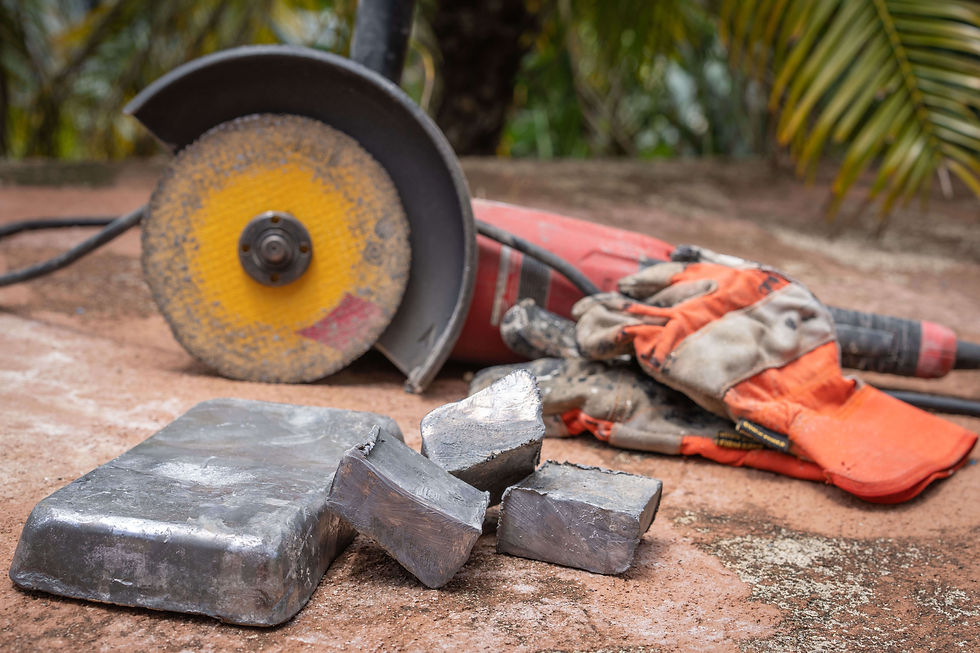
Large lead blocks are often too big to fit inside a melting pot. We cut approximately 16-pound lead blocks into smaller pieces using an angle grinder with a cutting disc. This allows the lead to melt more quickly and evenly.
Step 2 – Melt the Lead
We clean and wash the lead and place the smaller pieces into the electric melting pot and allow the lead to melt completely. During melting, you'll notice contaminants floating to the surface. Skim these impurities off before pouring. We use an old fork and a paper cup to collect the pieces. Because some material is removed, it's a good idea to start with slightly more lead than your target weight.
We also save small fishing sinkers recovered during dive site cleanups. These are perfect for fine-tuning the amount of lead needed for each pour.
Step 3 – Pour the Mold
Once the lead is fully molten and clean, slowly and steadily pour it into the mold. A smooth, consistent pour helps produce a weight with an even shape and minimizes air pockets.
For most recreational diving, we cast weights of approximately 4 pounds (about 2 kg), although molds are available in larger sizes.

Step 4 – Cool and Remove
Allow the lead to cool for a few minutes before taking it out of the mold. A gentle tap is usually enough for the finished weight to release.
Once cooled, weigh each scuba weight on a digital scale and stamp the actual weight onto the lead so it's easy to identify later.

The Finished Product
With only a few tools and some patience, you can make durable, accurate scuba weights that will last for many years. It's a rewarding DIY project and an excellent way to recycle fishing leads found on dive sites into something useful for diving.
What's next ? Enjoy you new weight on a dive with Manta rays or bullsharks ! Want to learn more about scuba diving tips and equipment repairs and maintenance. Join our 3-month Divemaster Internship in Playas del Coco.

Safety Disclaimer
Working with lead and molten metal can be hazardous. Always wear appropriate personal protective equipment, including heat-resistant gloves, safety glasses, and a suitable respirator. Perform all melting and pouring outdoors or in a well-ventilated area. Never allow water or moisture to come into contact with molten lead, as it can cause violent splattering. Follow all local laws and regulations regarding the handling, recycling, and disposal of lead. This article is provided for informational purposes only, and anyone attempting this process does so at their own risk.
Contact us for more information about diving and professional training in Costa Rica.


.png)
Comments