
10 Underwater Photography Mistakes Divers Make (And How to Fix Them)
You don't need a more expensive camera to take better underwater photos.
In fact, many of the biggest improvements come from changing your technique rather than your equipment.
Whether you're using a compact camera, mirrorless system, or DSLR, most underwater photographers make the same mistakes. Especially when diving in challenging conditions like those sometimes found in Costa Rica and other countries.

The good news? They're all easy to fix once you understand why they happen.
Here are the ten mistakes we see most often and the simple changes that can dramatically improve your underwater images.
1. Staying Too Far Away
This is probably the most common mistake in underwater photography.
Water reduces contrast, absorbs colour, and softens details. Every metre between your camera and the subject reduces image quality.
The solution is simple:
Get closer. Then get even closer.
Moving closer improves sharpness, colour, strobe effectiveness, and reduces the amount of water between your lens and the subject.
Pro Tip: If you think you're close enough, swim another half meter closer.

2. Shooting Down Instead of Up
Many photographers point the camera down at the reef. The result?
Busy backgrounds, flat-looking images, and subjects that blend into the environment.
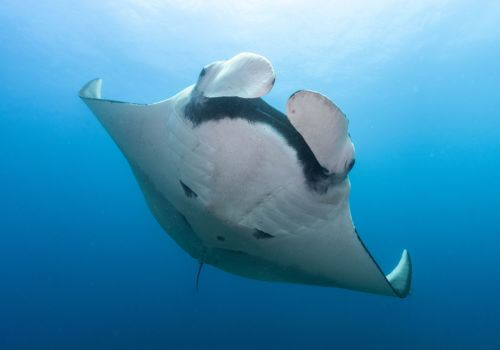
Whenever possible, position yourself slightly below your subject and shoot upward.

This creates cleaner blue-water backgrounds, separates your subject from the reef, and produces much more dynamic images.
3. Using the Same Camera Settings for Every Dive
There are no perfect underwater camera settings. The ideal exposure depends on visibility, depth, available light, current, your subject, and whether you're shooting macro or wide-angle.

Professional photographers constantly adapt their settings throughout the dive.
Learn to start with reliable settings, then adjust them as the conditions change.
Want to learn more about Underwater photography in Challenging conditions and improve you ability take great photos? Join our Underwater Photography course and contact is directly at info@richcoastdiving.com.
4. Lighting the Water Instead of the Subject
Poor strobe positioning is one of the biggest causes of backscatter.
If your strobes point straight ahead, they illuminate the suspended particles between you and your subject.
Instead, angle your strobes slightly outward so the edge of the light beam illuminates the subject while leaving the water column darker. The cleaner the water appears, the stronger your image becomes.
5. Trusting the LCD Instead of the Histogram
Bright tropical sunlight often makes the camera screen difficult to judge underwater.
An image that looks perfect on the LCD may actually have blown highlights or blocked shadows.
Your histogram tells the real story.
Use it to confirm your exposure, and use zebra warnings to protect important highlights before taking the next shot.

6. Forgetting to Look at the Background
Most photographers focus entirely on the subject. Experienced photographers look at the background first.
Is there anything distracting ? A diver's fin ? Bubbles ?
A brighter area that draws attention away from the subject ? A clean background often makes the difference between a good image and a great one.
7. Chasing Marine Life
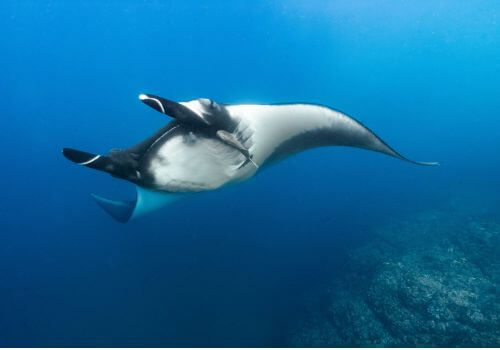
Swimming after turtles, rays, or sharks usually produces poor photographs and often stresses the animals.
Instead, stay calm, predict where the animal is going, and let it come to you.
Patience nearly always results in better compositions and more natural behaviour.

8. Ignoring the Conditions
Underwater photographers don't just photograph marine life, they photograph the water itself.
Visibility, plankton, thermoclines, current, and sunlight all influence your final image.
In Costa Rica, conditions can change dramatically during a single dive.
The best photographers continually observe their surroundings and adapt their camera settings accordingly. Or move shallower or to other parts of the dive site with clearer water.

9. Trying to Fix Everything in Editing
Editing is an important part of underwater photography, but it isn't magic. Poor focus, heavy backscatter, bad composition, or incorrect lighting, over exposure are difficult or impossible to rescue later in post.
Aim to create the strongest possible RAW file underwater. Editing should enhance your image, not save it.

10. Forgetting to Enjoy the Dive
It's surprisingly easy to become so focused on finding the perfect photograph that you forget why you're underwater in the first place.
Some of the best images happen when you're relaxed, aware of your surroundings, and enjoying the experience. Take your time. Observe the reef.
Watch marine life.
Photography should add to your dive, not distract from it.

Want to learn more about Underwater photography in Challenging conditions and improve you ability take great photos? Join our Underwater Photography course and contact is directly at info@richcoastdiving.com.

.png)
Comments